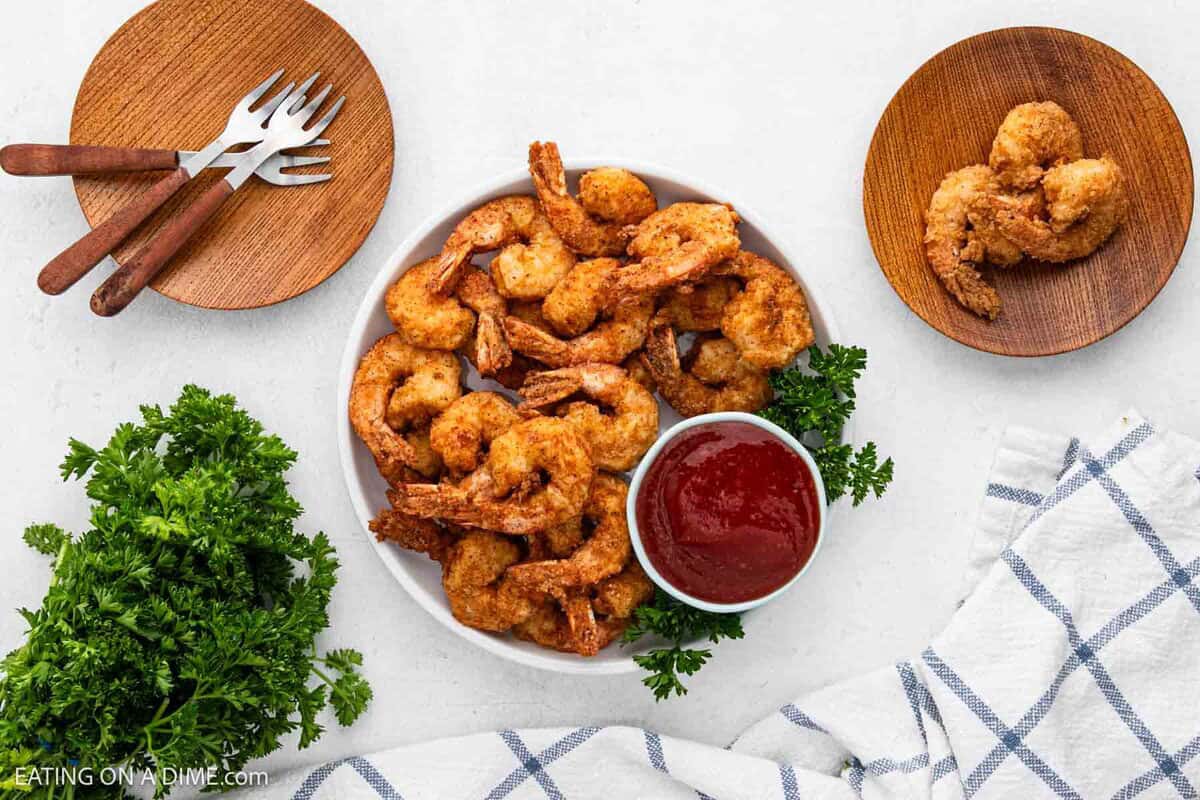
How to Make Perfectly Crispy Fried Shrimp at Home
There's an undeniable magic in the sound and sensation of biting into a perfectly crispy fried shrimp. That golden, crunchy exterior giving way to succulent, tender shrimp inside is a culinary delight that transforms any meal into a special occasion. While many might reserve this treat for restaurant visits, mastering a delicious fried shrimp recipe at home is not only achievable but incredibly rewarding. Imagine serving up a platter of these golden jewels, hot and fresh from your own kitchen, to the applause of your family and friends. This comprehensive guide will walk you through every step, from selecting the right shrimp to achieving that coveted crunch, ensuring your homemade fried shrimp rival—and perhaps even surpass—your favorite takeout.
Why Homemade Fried Shrimp Reigns Supreme
Opting to make fried shrimp at home offers a multitude of advantages over dining out. Firstly, freshness is paramount. You control the quality of the shrimp, selecting the plumpest, freshest catch available. Secondly, it's about customization. Craving a classic Southern flavor profile or a fiery Cajun kick? You dictate the seasonings and can tailor the recipe to your exact preferences. Finally, there's the sheer satisfaction and cost-effectiveness. Enjoying a generous serving of restaurant-quality fried shrimp without the hefty price tag, all while basking in the aroma wafting from your kitchen, is an experience truly unmatched.
The Core Elements of a Perfect Fried Shrimp Recipe
Achieving perfectly crispy fried shrimp isn't just about throwing ingredients into hot oil; it's about understanding the synergy between each component. Here’s a breakdown of the critical elements:
Ingredient Selection: The Foundation of Flavor and Texture
- The Shrimp: Start with high-quality shrimp. Large (21-25 count per pound) or jumbo (16-20 count) shrimp are ideal for frying as they remain juicy and tender without cooking too quickly. Always choose peeled and deveined shrimp, or prepare them yourself. Fresh is best, but individually flash-frozen shrimp can be an excellent alternative if thawed properly (slowly in the refrigerator).
- The Liquid Bath: Buttermilk is your secret weapon. Soaking shrimp in buttermilk not only tenderizes the meat but also provides a slightly acidic surface for the breading to adhere to perfectly. The tang from the buttermilk also adds a subtle depth of flavor.
- The Breading Mixture: A combination of all-purpose flour and cornmeal is a classic choice for Southern-style crispness. Cornmeal adds that distinctive sandy texture and extra crunch. For an even lighter, flakier crust, consider incorporating panko breadcrumbs, as favored by some chefs for a restaurant-quality finish. Don't forget the seasonings – paprika, garlic powder, onion powder, salt, and black pepper are essential for a flavorful crust. For a spicy twist, Cajun seasoning is a game-changer.
- The Frying Oil: Opt for a neutral, high smoke point oil like vegetable, canola, or peanut oil. The quality and temperature of your oil are crucial for achieving that golden, non-greasy crispness.
Preparation Techniques: Building the Layers of Flavor and Crunch
- The Buttermilk Soak: A 15-30 minute soak in buttermilk is sufficient to tenderize the shrimp and ensure the breading sticks. Don't overdo it, or the shrimp might become mushy.
- The Breading Process: This is where the magic happens.
- For a classic crispy crust, simply dredge the shrimp (after draining excess buttermilk) in your seasoned flour and cornmeal mixture, ensuring it's fully coated.
- Pro Tip for Extra Crunch: For an unbelievably crispy exterior, consider a double dredge. After the first coat in the dry mixture, dip the shrimp back into the buttermilk (just a quick dip to re-moisten) and then back into the dry mixture for a second coating. This builds up a thicker, craggier crust that delivers maximum crunch.
- Alternatively, for a delicate yet crispy texture, some recipes advocate for a three-step breading: flour, then egg wash, then panko breadcrumbs. This technique also yields fantastic results.
- Seasoning: Don't forget to season the shrimp itself before the buttermilk soak, or ensure your breading mixture is robustly seasoned. A well-seasoned crust is key to a flavorful bite.
Mastering the Fry: Temperature, Technique, and Timing
The frying stage is perhaps the most critical for achieving truly crispy fried shrimp that aren't greasy or overcooked. Precision here makes all the difference.
Optimal Oil Temperature is Key
Heat your vegetable oil in a deep fryer or a large, heavy-bottomed pot (like a Dutch oven) to a consistent 375°F (190°C). A deep-fry thermometer is indispensable here. Frying at the correct temperature ensures the shrimp cook quickly, becoming golden and crisp on the outside while remaining tender and juicy within. If the oil isn't hot enough, the breading will absorb too much oil, resulting in soggy, greasy shrimp. If it's too hot, the exterior will burn before the shrimp are cooked through.
Batch Frying: The Golden Rule
Always fry your shrimp in small batches. Do not overcrowd the pot! Overcrowding causes the oil temperature to drop significantly, leading to those undesirable greasy, limp shrimp. Frying in batches allows the oil to maintain its optimal temperature, ensuring each shrimp gets that perfect, even crispness. You want enough space around each shrimp for the oil to circulate freely.
Precise Frying Time
Shrimp cook incredibly fast. Once submerged in the hot oil, they will typically take only 2-3 minutes to become perfectly golden brown and crispy. Look for a vibrant golden color and a firm texture. Overcooking will result in tough, rubbery shrimp, so keep a close eye on them!
Post-Frying Care: The Final Touch
As soon as the shrimp are golden and crispy, use a slotted spoon or spider strainer to carefully remove them from the oil. Transfer them immediately to a paper towel-lined plate or a wire rack set over paper towels. This allows any excess oil to drain off, preserving that ultimate crispness. To keep batches warm while you fry the rest, place the cooked shrimp in a single layer on a baking sheet in a preheated oven at 200°F (95°C). For more advanced techniques and tips to perfect your frying game, you might want to Unlock Restaurant-Quality Fried Shrimp with Expert Tips.
Elevating Your Fried Shrimp Experience: Variations and Serving Suggestions
Now that you understand the fundamentals, let's dive into a classic recipe and explore ways to personalize your fried shrimp feast.
Classic Southern Fried Shrimp Recipe
This recipe delivers that quintessential crunchy, flavorful experience that's a staple of Southern cuisine. It's truly one of the ultimate ways to enjoy shrimp, making it an impressive appetizer, party food, or a crave-able main dish.
Ingredients:
- 1 lb large shrimp, peeled and deveined (tails on or off, your preference)
- 1 cup buttermilk
- 1 cup all-purpose flour
- 1 cup fine cornmeal
- 1 tbsp smoked paprika (for color and depth)
- 1 tbsp garlic powder
- 1 tbsp onion powder
- 1 tsp salt, plus more for seasoning shrimp
- 1 tsp black pepper
- Vegetable, canola, or peanut oil, for frying (about 4-6 cups, depending on pot size)
Instructions:
- Prepare the Shrimp: Pat the peeled and deveined shrimp dry with paper towels. Lightly season them with a pinch of salt and pepper. In a large bowl, pour the buttermilk over the shrimp, ensuring they are well coated. Let them soak for 30 minutes in the refrigerator to tenderize and help the breading adhere.
- Mix the Breading: While the shrimp soak, prepare your dry mixture. In a separate shallow bowl, whisk together the all-purpose flour, cornmeal, paprika, garlic powder, onion powder, salt, and black pepper until thoroughly combined.
- Heat the Oil: In a deep fryer or a large, heavy-bottomed pot, add enough oil to reach about 3 inches deep. Heat the oil to 375°F (190°C) using a deep-fry thermometer.
- Dredge the Shrimp: Remove the shrimp from the buttermilk, allowing any excess to drip off. Do not rinse. One by one, dredge each shrimp generously in the flour-cornmeal mixture, pressing gently to ensure a full and even coating. For extra crunch, double dredge by dipping the coated shrimp back into the buttermilk briefly, then coating a second time in the dry mixture. Place the breaded shrimp on a clean plate or wire rack while you finish coating the rest.
- Fry in Batches: Carefully lower 6-8 shrimp into the hot oil. Avoid overcrowding the pot to maintain oil temperature and ensure even cooking. Fry for 2-3 minutes, turning occasionally, until they are beautifully golden brown and crispy.
- Drain and Serve: Use a slotted spoon or spider to transfer the fried shrimp to a paper towel-lined plate or a wire rack to drain excess oil. If frying multiple batches, keep the cooked shrimp warm in a 200°F (95°C) oven.
- Enjoy: Serve immediately with your favorite dipping sauces, such as homemade tartar sauce, cocktail sauce, or a zesty spicy mayo.
Spicy Cajun Fried Shrimp and Other Variations
For those who love a bit of heat, substituting the paprika, garlic, and onion powder in the breading mixture with 2-3 tablespoons of quality Cajun seasoning will transform your dish into Spicy Cajun Fried Shrimp. This variation is incredibly addictive and perfect for spicing up a weeknight dinner. For a deeper dive into the nuances of these two regional favorites, be sure to check out our comparison of Classic Southern vs. Spicy Cajun Fried Shrimp Recipes.
Beyond seasoning, consider experimenting with different breading textures. A panko-heavy breading will yield a lighter, flakier crunch, while a cornmeal-dominant one gives a coarser, more robust crisp. A pinch of cayenne pepper in any breading mixture can provide a subtle warmth without overwhelming other flavors. You can also add a tablespoon of Old Bay seasoning for a distinct seafood flavor profile.
Serving Suggestions to Complete Your Feast
Fried shrimp are incredibly versatile. Serve them simply with an array of dipping sauces for a fantastic appetizer. Elevate them to a main course by pairing them with fresh lemon wedges, a crisp garden salad, creamy coleslaw, or a side of crispy French fries. They also make an incredible base for a homemade shrimp po'boy sandwich, piled high on a crusty baguette with lettuce, tomato, and remoulade sauce. Don't forget a squeeze of fresh lemon juice over the top just before serving – it brightens all the flavors.
Making perfectly crispy fried shrimp at home is a culinary endeavor that promises immense satisfaction. By focusing on fresh ingredients, mastering the buttermilk soak and breading technique, and diligently controlling your oil temperature, you can achieve results that rival any restaurant. Whether you lean towards the comforting flavors of the classic Southern style or crave the bold kick of Cajun, this guide provides the foundation for creating truly unforgettable seafood feasts in your own kitchen. So, gather your ingredients, fire up that oil, and get ready to enjoy the irresistible crunch and tender succulence of homemade crispy fried shrimp.
